
Seleninum granule (Se), CAS 7782-49-2, is a non-metal element supplied as black–to-gray granules, pellets, or shot. Freshly precipitated selenium appears black and amorphous; on heating it melts and , when cooled quickly, sets into a glassy (vitreous) form. The element shows three common allotropes – red monoclinic crystals, gray hexagonal (metallic) crystals, and black vitreous selenium – and each form suits a different process. Glass makers, optical labs, and metal processors rely on high-purity Se for decolorization, infrared optics, and alloying. We suply 4N (99.99%), 5N (99.999%), and 6N (99.9999%) grades, and we produce each lot under controlled conditions to keep impurities low for sensitive optical and electronic uses.
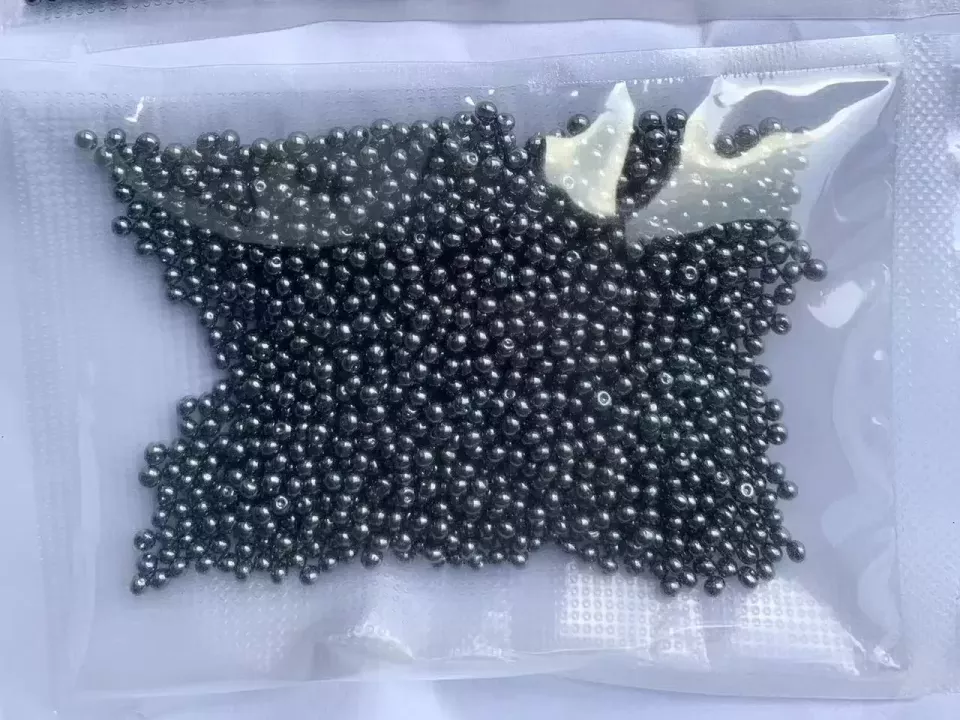
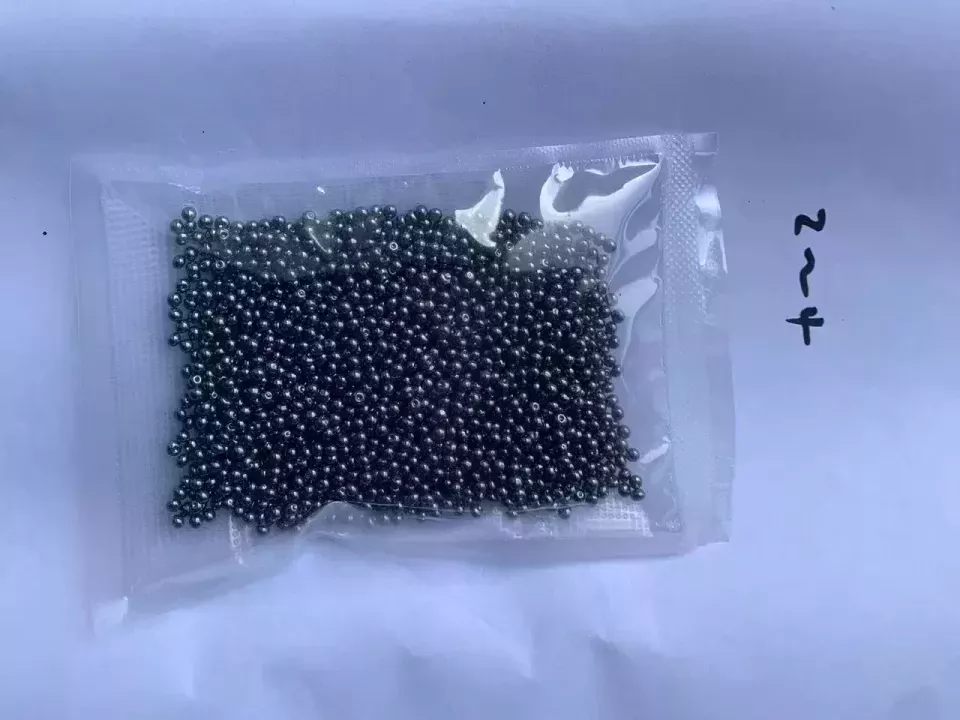
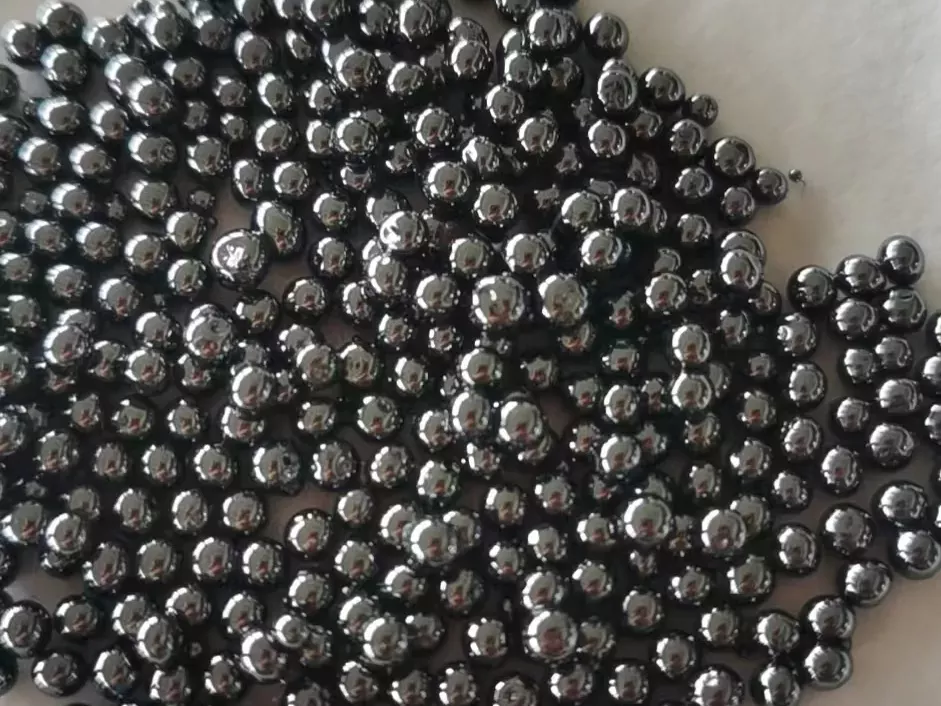
Key Specifications of Selenium Granule
Purity:99.99%, 99.999%, 99.9999%
| CAS No.:7782-49-2 | EINECS No.:231-957-4 | Molecular Formula:Se | Molecular Weight:78.96 |
| Melting Point:220.2℃ | Boiling Point:685℃ | Density:4.82 g/cm3 |
How Selenium Decolorizes Glass
Glass makers use selenium as a physical decolorizer. Iron ions in glass cast a pale green tint, while selenium with its metallic luster produces a red hue. Because red and green are complementary, a small dose of selenium neutralizes the green and yields colorless glass. If you add an excess, the melt instead turns into the well-known ruby (selenium) glass. Blended with other metals, selenium also yields gray, bronze, and pink decorative glasses. The tinted “black” glass used in buildings and cars likewise contains Se, which cuts both light transmission and heat transfer.
Application
1. Glass and Decolorization
The glass industry uses selenium pellets as a physical decolorizer and colorant, as described above, and as a raw material for infrared and decorative glasses.
2. Optical and infrared Materials
Optical producers use high-purity selenium shot as the raw material for zinc selneium (ZnSe) compounds and infrared glass. It also serves xerography powders and other metal-selenide compounds.
3. Electronics and Optoelectronics
Device makers apply selenium to the epitaxial diffusion of semiconductor products, and to selenium rectifiers, phototubes, photocells, radio-communications copying, and photography.
4. Metallurgy
Steel and foundry makers use selenium to improve processability. Adding 0.3-0.5% Se to cast iron, stainless steel, and copper alloy raises mechanical strength, densifies the structure, enables faster cutting, and give parts a cleaner surface. Selenium alloys with other metals serve in low-voltage rectifiers, photocells, and thermoelectric materials.
5. Rubber and Chemical Catalysis
Rubber producers use selenium pellets as a vulcanizing and sulfurizing agent that boots the abrasive resistance of rubber; the element also acts as a catalyst and antioxidant. In the chemical industry, selenium serves as a catalyst for producing sulfur from sulfite reactions, and selenium metal is the main feedstock for selenium dioxide (SeO2), the catalyst used in electrolytic manganese smelting. Selenium nanoscale powder doubles as an analytical reagent and a dehydrogenation agent for aromatic compounds. Its main derivatives include selenium telluride, selenium sulfide, and selenium fluoride.
Why Choose our Selenium Granule
- Three Purity Grades: We supply 4N, 5N, and 6N to match glass, optics, and semiconductor needs.
- Multiple Forms: You can order granules, pellets, shot, or balls, plus nano powder on request.
- Controlled Purity: We keep trace impurities low so optical and electronic parts perform consistently.
Handling and Storage
Selenium is harmful if inhaled or ingested. Store the granules in a cool, dry, well-ventilated area in a tightly closed container, away from strong oxidizers and acids. Handle them with standard lab PPE (gloves, goggles, dust mask) to avoid dust inhalation and skin or eye contact, and dispose of waste per local regulations.
Packaging and Inquiry
Custom specifications, particle sizes, and packaging options are available for laboratory, pilot, and industrial use. Please contact us with your required purity, form, quantity, and application to request a quotation.
Related Products
- Selenium Dioxide (SeO2)
- Zinc Selenide (ZnSe)
- Selenium Sulfide (SeS2)
- Selenium Telluride (SeTe)
FAQ
What is the CAS number of selenium?
The CAS number of selenium is 7782-49-2.
What is high-purity selenium granule used for?
Industries use it to decolorize and color glass, to make zinc selenide optics and infrared glass, in rectifiers and photocells, as a steel-alloying additive, and as a rubber vulcanizing agent and chemical catalyst.
Is selenium soluble in water?
No. It stays insoluble in water, hydrochloric acid, and dilute sulfuric acid, but dissolves in nitric acid, carbon disulfide, benzene, and quinoline.
What purity grades do you offer?
We offer 4N (99.99%), 5N (99.999%), and 6N (99.9999%), and supply them as granules, pellets, shot, or balls.